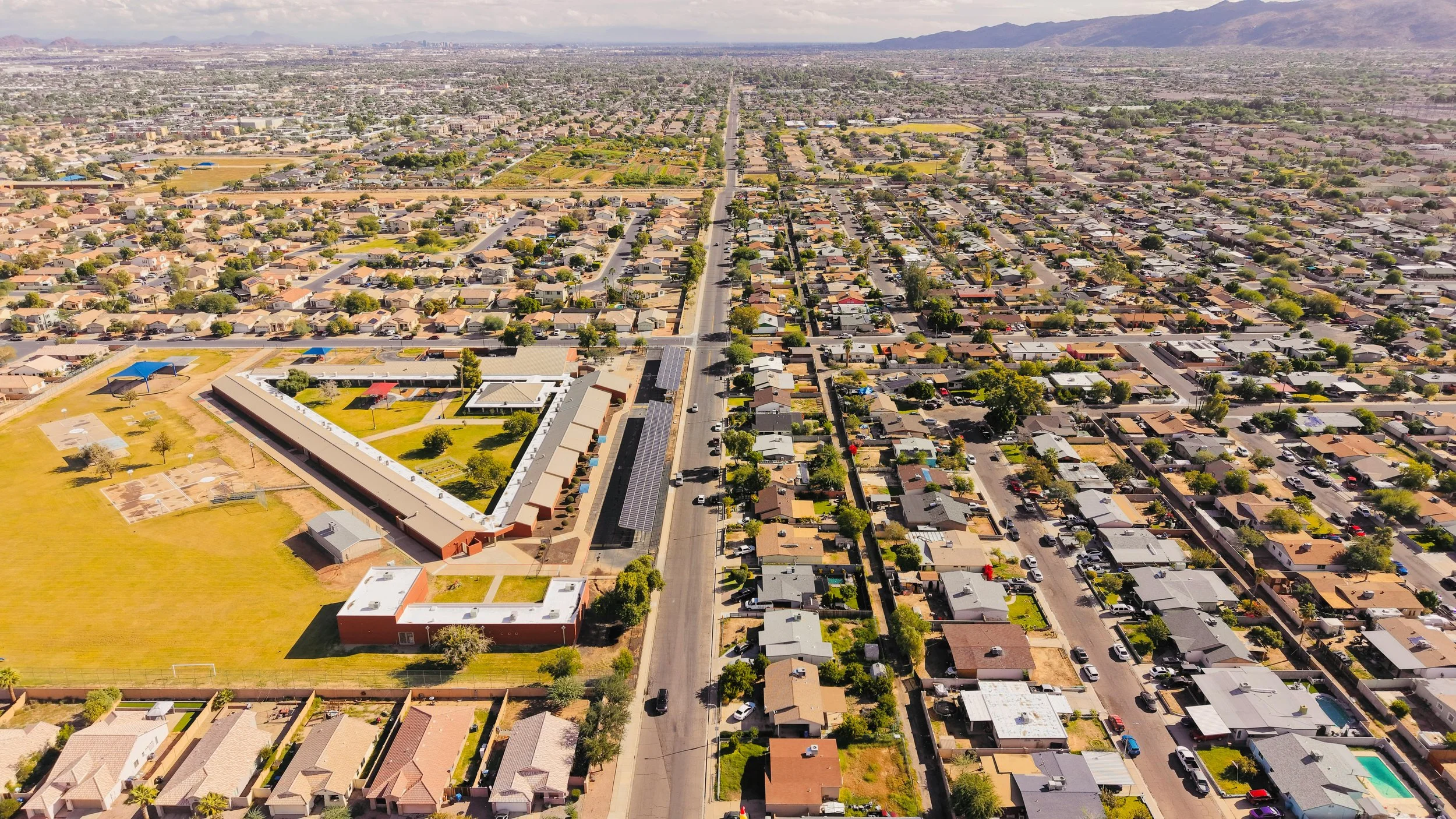
Relocating to Phoenix can be an exciting opportunity. With its sunny weather, growing job market, and vibrant neighborhoods, the city continues to attract new residents every year. If you’re planning to rent an apartment in Phoenix, understanding when to move, how to budget, and what to look for in a rental can make the process much smoother.
Whether you're moving across the state or relocating from another part of the country, here are a few important things every renter should know before making Phoenix their new home.
Best Time to Move to Phoenix

Timing can make a big difference when searching for an apartment. In Phoenix, rental activity tends to increase during the late spring and summer months, when many people relocate for jobs, school, or lifestyle changes.
If you want more choices, May through August often brings the highest number of available listings. However, demand is also higher during this period, which can mean increased rental prices.
For renters looking for better deals or move-in specials, the fall and winter months—especially October through January—can sometimes offer more flexible pricing. Property managers may be more willing to offer incentives during slower seasons.
Planning your move during these quieter months may help you secure a better rate or additional perks such as waived application fees or discounted deposits.
Budgeting for Your Phoenix Apartment

Before signing a lease, it’s important to understand the full cost of renting—not just the monthly rent.
Here are some common expenses renters should plan for:
Monthly Rent
Apartment prices in Phoenix vary depending on location, building amenities, and apartment size.
Security Deposit
Most properties require a deposit equal to one month’s rent, though some may offer lower deposits for qualified renters.
Utilities
While some apartments include certain utilities, renters may still need to budget for electricity, water, internet, and trash services.
Parking Fees
In certain areas of Phoenix, especially near downtown or high-density communities, parking may come with an additional monthly fee.
Application Fees
Rental applications typically include a non-refundable fee for background and credit checks.
Creating a realistic monthly budget helps ensure your apartment remains affordable even after adding these additional costs.
What to Look for in a Phoenix Apartment
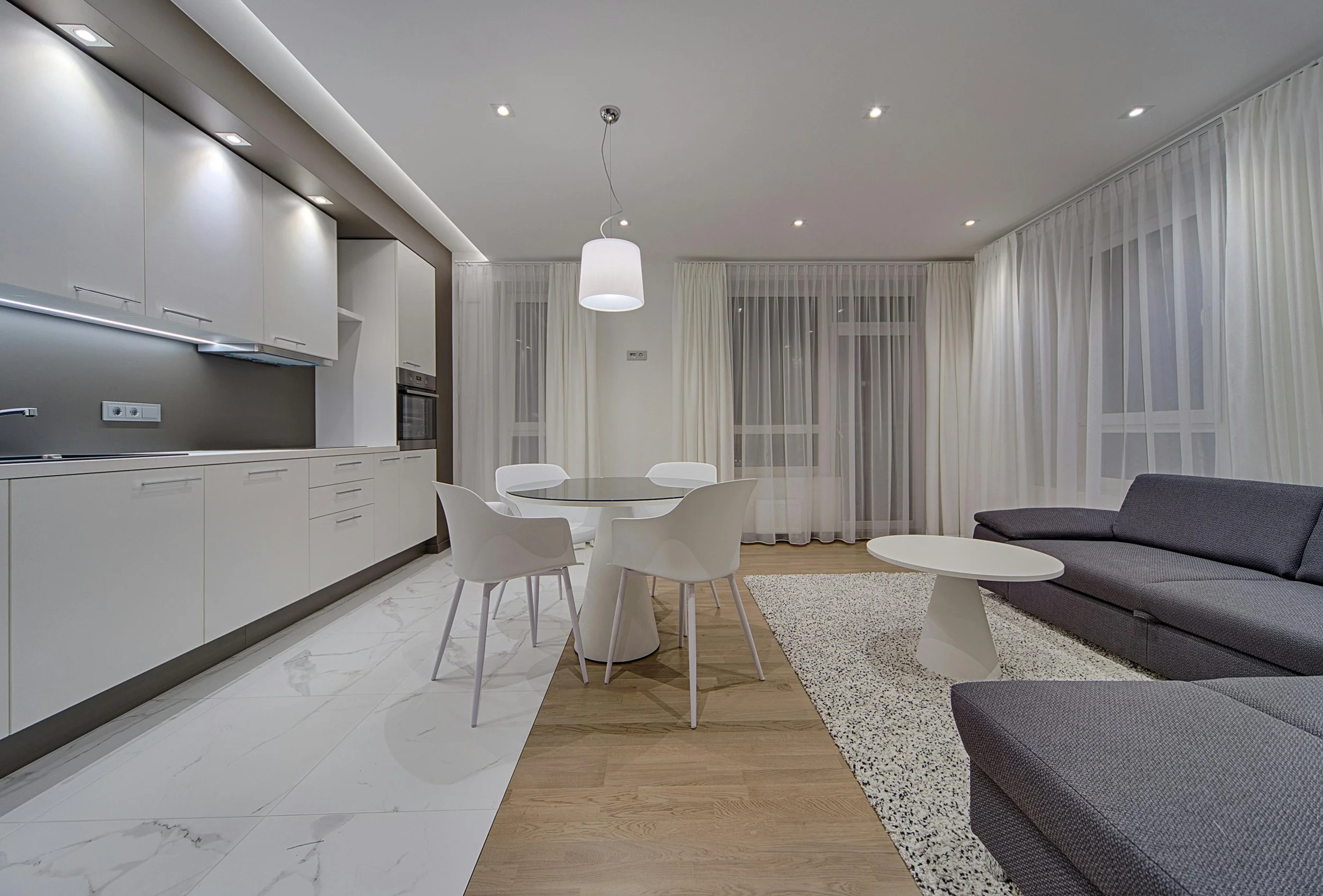
Every renter has different priorities, but there are several key factors to consider when choosing an apartment in Phoenix.
Location and Commute
Phoenix is a large city, so location matters. Consider proximity to work, schools, grocery stores, and major highways. If you prefer public transportation, you may want to look near routes operated by Valley Metro, which provides bus and light rail services across the metro area.
Amenities
Many modern apartment communities in Phoenix offer amenities such as pools, fitness centers, coworking spaces, and pet-friendly facilities. Make a list of the features that matter most to your lifestyle.
Lease Terms
Some properties offer flexible lease lengths, while others require a full 12-month lease. If your plans are uncertain, look for communities that offer shorter lease options.
Neighborhood Atmosphere
Phoenix neighborhoods each have their own unique feel. Some areas offer vibrant nightlife and walkability, while others provide quieter residential living. Visiting the area at different times of day can help you get a better sense of the environment.
Start Your Phoenix Apartment Search with Confidence

Moving to Phoenix can be the start of an exciting new chapter. By choosing the right time to move, planning your budget carefully, and focusing on the features that matter most to you, you’ll be better prepared to find a rental that fits your needs.
If you’re ready to begin your search, explore our current listings to see what’s available.
Check our available units
Ask about move-in specials
Sources
Rental market insights from the Arizona Department of Housing
Industry renter guidance from the National Apartment Association
